
The short answer
We repair furnaces, heat pumps, wall heaters, floor furnaces and ductless systems in Danville and nearby cities. Call if your home heats unevenly, the system will not start, or you notice odd noises or smells; we find the cause and explain your options before fixing anything.
Not every house in the San Ramon Valley heats the same way. A newer tract home in San Ramon may have a two-stage gas furnace in the attic, a remodeled Alamo ranch may run on a heat pump, and an older Danville bungalow might still rely on a floor furnace or a wall heater in the hallway. Heating repair means knowing all of them. EliteFlow HVAC Repair Service troubleshoots and repairs gas furnaces, heat pumps, wall and floor furnaces, ductless units and the thermostats and ducts that connect them. Winters here are mild, which is exactly why heating problems can go unnoticed until a chilly week in December or January exposes them. The sections below explain the warning signs by system type, what our technicians check, how we frame repair against replacement, what influences the cost of a visit and how the appointment itself is handled.
Warning signs, organized by the kind of heater you have
Each heating system has its own way of telling you something is wrong. Knowing which signs belong to your equipment helps you describe the problem when you call, and it helps us arrive with the right parts.
Thermostats deserve a mention on their own. A dead battery, a loose wire or a smart thermostat that lost its schedule after a power outage can look exactly like a heating failure. If the display is blank or the settings look strange, check that first; if everything seems fine and there is still no heat, it is time for a technician.
- Gas furnace: repeated ignition attempts, a blower that runs with no heat, error codes, or rumbling at startup
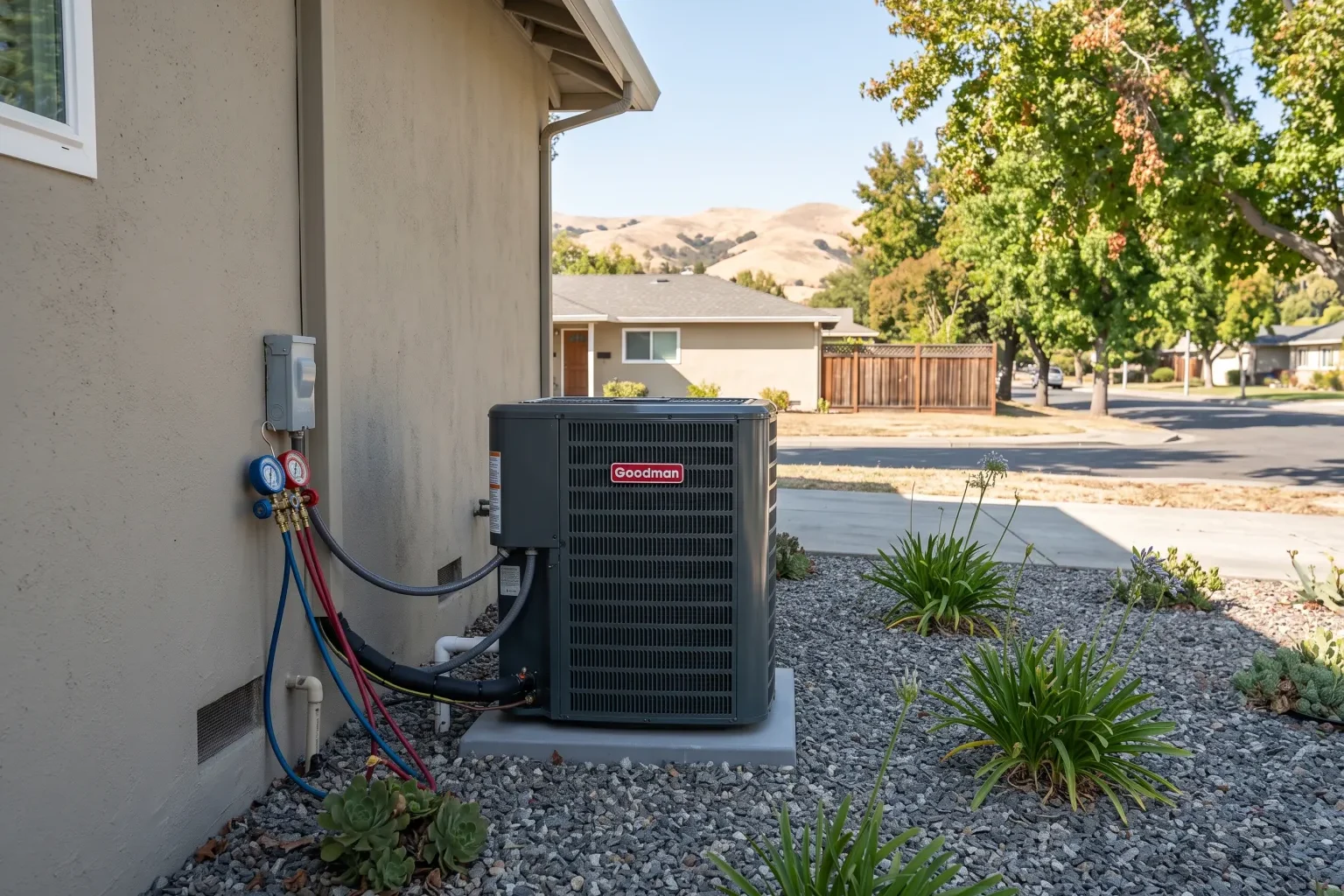
- Heat pump: ice that stays on the outdoor unit, cool air in heat mode, or loud clicking from the reversing valve
- Wall heater: a pilot that will not stay lit, a burning smell from the grille, or heat only near the unit
- Floor furnace: a cracked or loose grate, a weak flame, or a strong gas odor near the floor
- Ductless unit: blinking indicator lights, water dripping from the indoor head, or rooms that never warm
- Any system: rising energy bills without any change in how you use the heat
Inside the diagnostic visit
Our technicians work through a heating problem in layers. First comes the control side: power, thermostat signal and any fault codes the equipment stores. Next is the heat source itself, which for gas equipment means ignition, flame quality and safety switches, and for heat pumps means refrigerant pressures, the reversing valve and defrost operation. Last is delivery, meaning the blower, filter and ducts that carry warm air to each room.
Older wall and floor furnaces get extra attention to combustion and venting. These units often sit in hallways or under floors close to living space, so we check the burner, the thermocouple or pilot assembly, the vent connection and clearances around the unit. If something looks unsafe, we will tell you plainly and shut it down rather than leave it running.
- Electrical supply, fuses and breakers
- Thermostat calibration and wiring
- Ignition system, pilot or hot surface igniter
- Gas pressure and burner condition
- Refrigerant pressures and defrost board on heat pumps
- Blower motor, capacitor and filter
- Vent connections, flue draft and carbon monoxide checks
- Duct leaks or disconnections that waste heated air
Weighing a repair against replacing the heater
We recommend repair whenever it is the sensible, lasting fix. A worn igniter, a failed capacitor, a stuck defrost sensor or a tired thermocouple are inexpensive in the scheme of things and return a sound system to service.
Replacement enters the conversation for a few specific reasons: a cracked heat exchanger or combustion chamber, a heat pump compressor failure on an older unit, or a wall or floor furnace whose parts are no longer made. Bay Area Air District rules also play a role in long-term planning. Gas furnaces manufactured from 2029 must meet a zero-NOx standard, but the rules do not require replacing working equipment. If replacement does make sense, we compare gas, heat pump and ductless options so you are choosing with full information.
What influences the cost of a heating repair
You will hear the price of a repair from the technician before work starts. Rather than post numbers that would not fit most homes, here are the things that typically drive the difference from one call to the next.
Equipment age is part of it. Parts for current furnaces and heat pumps are widely stocked, while components for vintage wall or floor furnaces may need to be special ordered, if they can be found at all.
- Type of system and the specific component that failed
- Brand-specific versus universal replacement parts
- Access to the unit in an attic, crawlspace or tight closet
- Refrigerant work on heat pumps and ductless systems
- Whether a safety issue requires additional corrections
- Urgency and scheduling of the visit
How we handle your heating repair appointment
It starts with a short phone conversation: what kind of system you have, what it is doing and when it started. We schedule a window and the technician calls ahead when on the way. At the house, they listen to your description, check the thermostat and inspect the equipment from controls to ducts.
After diagnosis, you get a clear explanation and a recommendation, along with the price, before anything is replaced. Common parts usually travel with the technician, so many heating repairs are finished on the first trip. When a part needs ordering, we explain the timeline and any safe temporary measures. Every repair ends with the system running through full heating cycles while the technician confirms temperatures and safety controls, followed by a quick rundown of what was done and anything else worth watching.
Heating Repair by city
- Heating Repair in San RamonLocal service & repairs
- Heating Repair in DublinLocal service & repairs
- Heating Repair in PleasantonLocal service & repairs
- Heating Repair in ClaytonLocal service & repairs
- Heating Repair in Walnut CreekLocal service & repairs
- Heating Repair in LivermoreLocal service & repairs
- Heating Repair in MoragaLocal service & repairs
- Heating Repair in LafayetteLocal service & repairs
- Heating Repair in ConcordLocal service & repairs
- Heating Repair in AntiochLocal service & repairs
- Heating Repair in Pleasant HillLocal service & repairs
- Heating Repair in BrentwoodLocal service & repairs