
The short answer
We repair furnaces, heat pumps, ductless systems and wall heaters in Clayton. Each repair starts with a careful diagnosis and ends with safety checks and a full test cycle so your heat is reliable again.
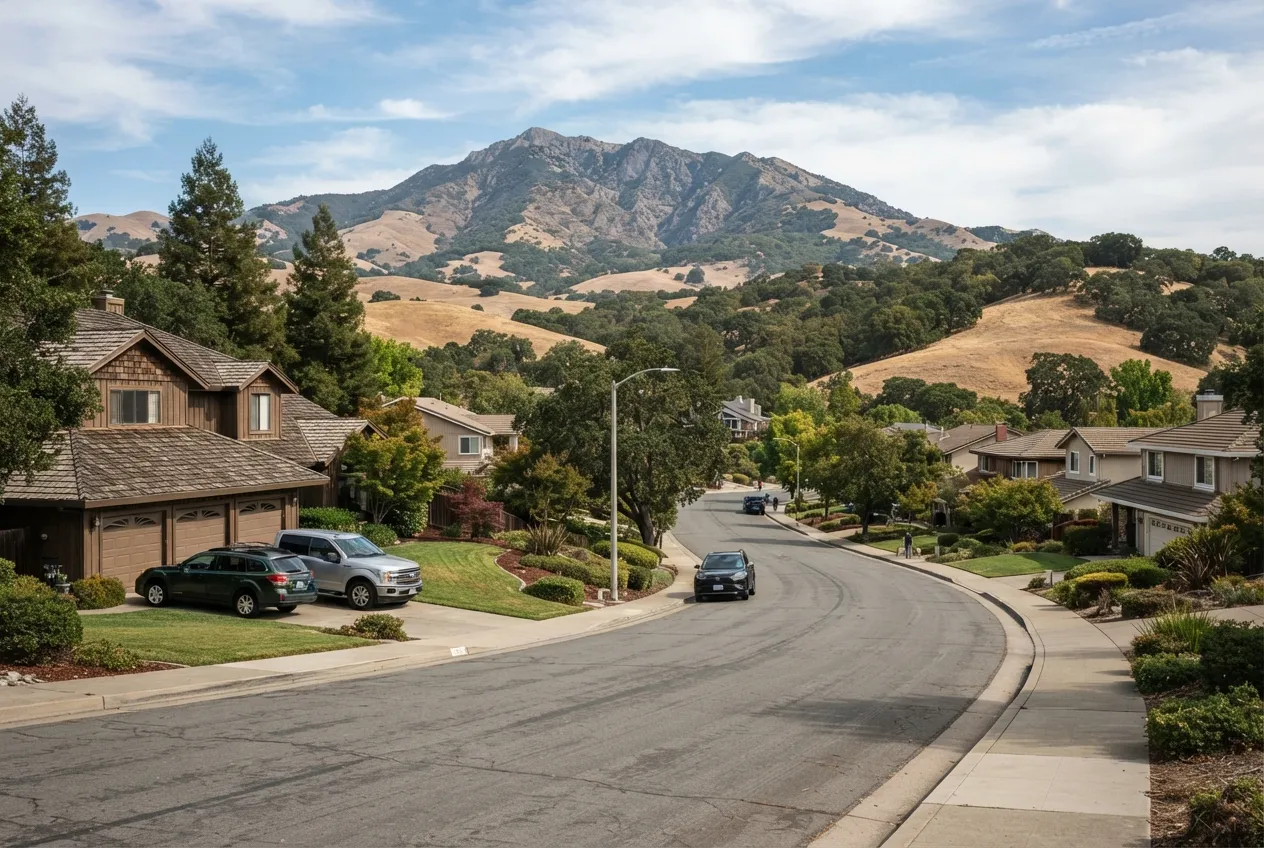
When a cold front settles over the hills around Clayton, homes on the north side of Mount Diablo can feel the chill quickly, and a heating system that fails at night is more than an inconvenience. EliteFlow HVAC Repair Service repairs all common heating systems in Clayton, about 10 miles north of our home base in Danville. That includes gas furnaces, heat pumps, ductless mini-splits, wall heaters and the thermostats that control them. This page is organized by system type, so you can jump to the one in your home, followed by a short guide to what happens during a repair visit and how to reduce the chance of the next breakdown.
Gas furnaces
Furnaces are still the most common heating system in Clayton homes. Typical repairs involve ignitors, flame sensors, inducer motors, pressure switches, limit switches, blower motors and control boards. We read the furnace's diagnostic code, follow the startup sequence and test each part with a meter rather than guessing.
Because gas appliances produce combustion gases, every furnace repair includes a look at the burners, heat exchanger, venting and draft, along with a carbon monoxide check.
Heat pumps
Heat pump heating problems tend to involve the reversing valve, defrost controls, outdoor fan motor, compressor or refrigerant charge. A heat pump that blows cool air for a long time, ices up completely or runs constantly without warming the house needs attention.
We check refrigerant pressures, test the defrost board and sensors, confirm the reversing valve shifts correctly and inspect the outdoor coil for dirt or damage. If your system has electric backup heat strips, we test those as well, since a failed strip can leave the home cold during defrost cycles.
Ductless mini-splits and wall heaters
Ductless systems display error codes that help narrow down a problem, but the code is only the starting point. Common issues include dirty indoor coils and filters, failed temperature sensors, drain clogs and refrigerant leaks at flare connections. We clean, test and repair each component as needed.
Some older Clayton homes still have gas wall heaters. We repair thermocouples, pilot assemblies and gas valves where it is safe to do so, and we always check venting. When a wall heater is beyond repair, a ductless heat pump is often the most practical replacement.
Thermostats and controls
A surprising number of no-heat calls in Clayton end at the wall rather than in the attic or garage. Smart thermostats installed without a common wire can lose power and reboot at random. Older mercury or mechanical thermostats drift out of calibration, so the house runs several degrees colder than the dial says. Heat pump systems need a thermostat configured for heat pump operation; if it was set up as a conventional furnace control, the reversing valve and backup heat may never get the right signals.
We check thermostat settings, wiring at both ends and the low-voltage transformer that powers the controls. Zoned homes get an extra look at dampers and the zone board, since a stuck damper can leave one floor cold while the rest of the house is comfortable. Fixing a control problem is usually quick, and it avoids replacing equipment that was never broken.
What happens during a repair visit
A typical visit follows a simple sequence.
- We listen to what you have noticed and when the problem started
- We inspect the equipment, filter, thermostat and electrical supply
- We test components and read pressures or diagnostic codes
- We explain what failed and give you repair options before starting work
- We complete the repair and run the system through several full cycles
- We perform safety checks, including carbon monoxide testing on gas equipment
Preventing the next breakdown
A heating checkup in early fall catches most problems before the first cold night. Between visits, replace filters on schedule, keep the outdoor unit clear of leaves and debris, and make sure supply and return vents are not blocked by furniture or rugs. If you plan to replace an older system, remember that Air District rules do not require replacing working equipment, and you can plan the change on your own schedule. We also offer heating repair in Concord, Walnut Creek, Antioch, Pleasant Hill and Lafayette.
More services in Clayton
- AC Repair in ClaytonLocal service & repairs
- Heat Pump Installation in ClaytonLocal service & repairs
- AC Installation in ClaytonLocal service & repairs
- Furnace Repair in ClaytonLocal service & repairs