
The short answer
If your home feels dusty, stuffy or smoky, or allergies flare indoors, the HVAC system is a good place to start. We check filtration, ducts, ventilation and humidity, then recommend targeted fixes such as upgraded filters, duct sealing or air cleaners that suit your system.
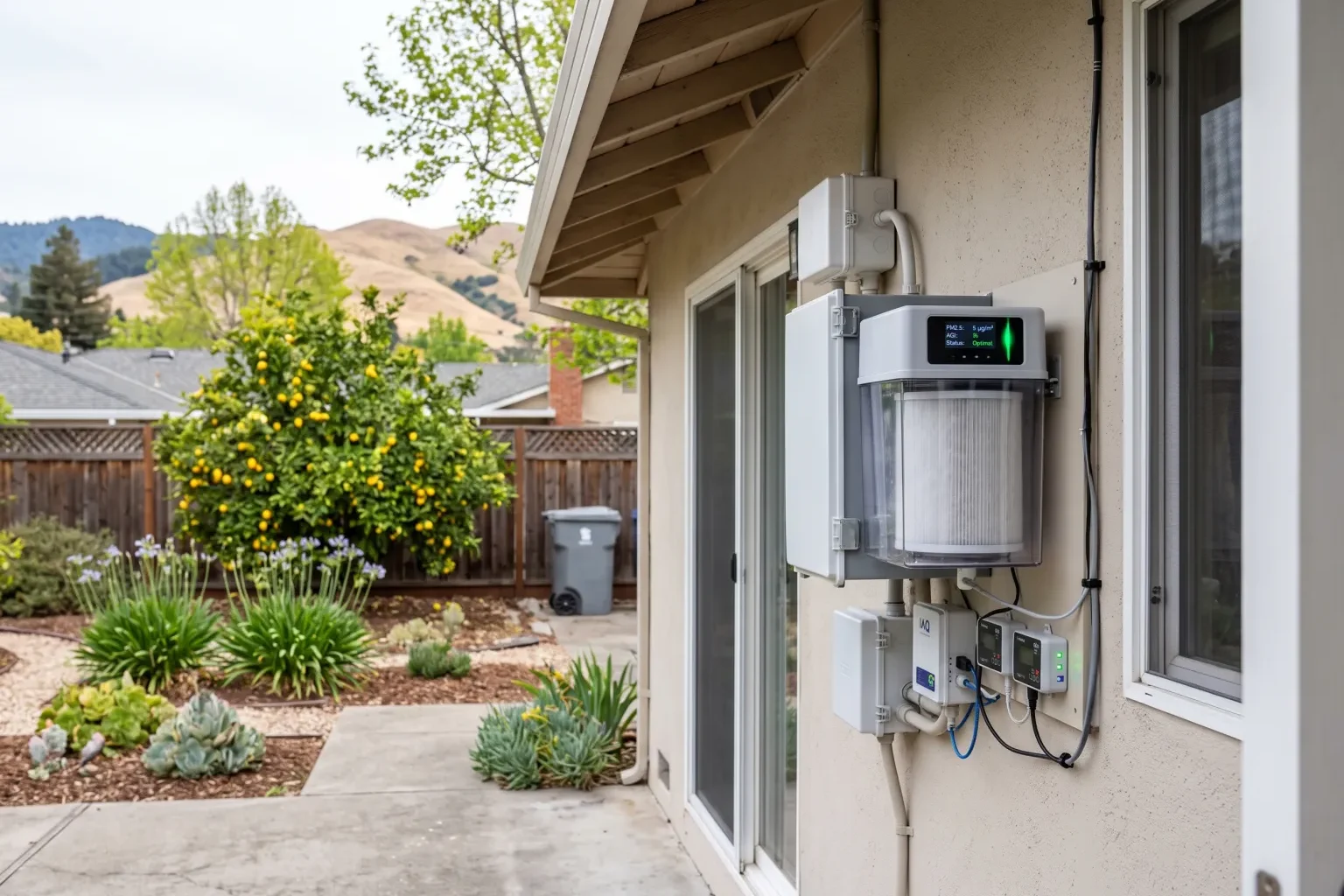
The air inside a home passes through the HVAC system again and again every day, which makes that system one of the best tools for cleaning it, or one of the easiest ways to spread dust and odors around. In the San Ramon Valley, indoor air faces a particular mix of challenges: dry summer winds that carry dust and pollen, smoke drifting in during regional wildfire seasons, closed-up houses during damp winter months, and gas appliances that add combustion byproducts. EliteFlow HVAC Repair Service helps homeowners in Danville, Alamo, San Ramon and nearby communities understand what is in their air and choose practical improvements, from better filtration and duct repair to ventilation and humidity control. This page covers the signs that point to an air quality problem, how we evaluate a home, whether to repair existing components or add new ones, what affects the scope of the work and how an appointment goes.
Everyday signs your indoor air needs attention
Air quality problems usually show up as small annoyances rather than a single obvious failure. Dust reappears on shelves a day after cleaning. A bedroom smells stale every morning. Someone in the house wakes up congested, then feels better after a few hours at work. Each of these can trace back to how air moves, gets filtered and gets replaced in the home.
Smoke events deserve a separate note. When regional fires send haze into the valley, many households close windows and run the system on recirculate. A system with a low-grade filter or leaky return ducts can pull outdoor smoke right back in, which is why smoke season often prompts our first conversation with a homeowner about filtration.
- Dust builds up quickly, especially near supply registers
- Lingering odors from cooking, pets or a musty crawlspace
- Allergy or asthma symptoms that are worse indoors than outside
- Dark streaks around ceiling vents or on filter edges
- Condensation on windows or a damp feeling in winter
- Very dry air, static shocks or cracked wood floors in the heating season
- Smoke smell that lingers indoors after a regional fire event
How we assess the air in your home
We begin with your concerns: who is affected, which rooms bother you most and when symptoms get worse. Then we inspect the parts of the HVAC system that most influence air quality. The filter slot is a common weak point; a filter that does not seal at the edges lets air bypass it entirely, no matter how good the filter itself is.
Ductwork comes next. Return ducts that leak in attics or crawlspaces pull in insulation fibers, dust and humid or musty air. We look at visible duct runs, check connections at the air handler and note any signs of moisture or debris. We also review ventilation, including bathroom and kitchen exhaust, and, for homes with gas appliances, the venting and combustion air for the furnace and water heater.
- Filter size, rating and how well the filter rack seals
- Return and supply duct leaks, debris and insulation damage
- Evaporator coil and drain pan for mold or standing water
- Blower wheel cleanliness
- Humidity levels across seasons
- Exhaust fan operation in kitchens and bathrooms
- Combustion appliance venting and carbon monoxide alarm placement
Repair what is there or add something new
Many air quality improvements are corrections rather than additions. Sealing a leaky return duct, fixing a filter rack that lets air slip past, cleaning a dirty blower wheel or clearing a clogged condensate drain can make a noticeable difference without new equipment. We usually recommend starting there, because an add-on air cleaner cannot overcome a duct system that is pulling in attic air.
Once the basics are sound, targeted upgrades make sense. A deeper media filter cabinet captures finer particles with less airflow restriction than a thick filter crammed into a one-inch slot. Whole-home dehumidification or humidification can address seasonal comfort and moisture concerns. Balanced ventilation can bring in filtered fresh air for tightly sealed or newly remodeled homes. If you are also planning to replace a furnace, it is worth knowing that a heat pump removes combustion from the heating system entirely, though Air District rules do not require replacing working equipment.
Factors that determine the scope of air quality work
Because solutions range from a better filter to a whole-home ventilation system, we price indoor air quality work after seeing the house rather than listing figures. These are the main variables.
Some fixes are one-time corrections, such as sealing a return duct or replacing a warped filter rack. Others carry an ongoing commitment, like replacing media filters or humidifier pads on a set schedule. We spell out both sides so you can compare options by what they will ask of you over time, not just on installation day.
- Which problem is being solved: dust, allergens, smoke, odors or humidity
- Whether the existing filter rack can be upgraded or a new media cabinet is needed
- The extent of duct sealing or repair, and how accessible the ducts are
- Type of add-on equipment, such as air cleaners, humidifiers, dehumidifiers or ventilators
- Electrical or drain connections required for new components
- Ongoing filter or media replacement needs
What to expect during an indoor air quality visit
We start with a conversation about what you are noticing and when. The technician then inspects the HVAC equipment, filter and accessible ductwork, and may take humidity readings in different rooms. You will see what we find, often with photos of the inside of ducts or the filter area, so the recommendations make sense.
You get a prioritized list: the corrections that address the root cause first, followed by optional upgrades and what each one is designed to accomplish. Smaller items, like replacing a poorly fitting filter, can often be handled on the spot. Larger projects such as duct sealing or adding a media cabinet are scheduled for a follow-up visit. Afterward, we explain any new maintenance tasks, such as filter change intervals, so the improvements last.