
The short answer
Older Lafayette furnaces often need pilot, thermocouple, venting or blower work, while newer ones fail at igniters, flame sensors, pressure switches, boards and condensate drains. We identify your furnace type, test it fully and explain the repair before starting.
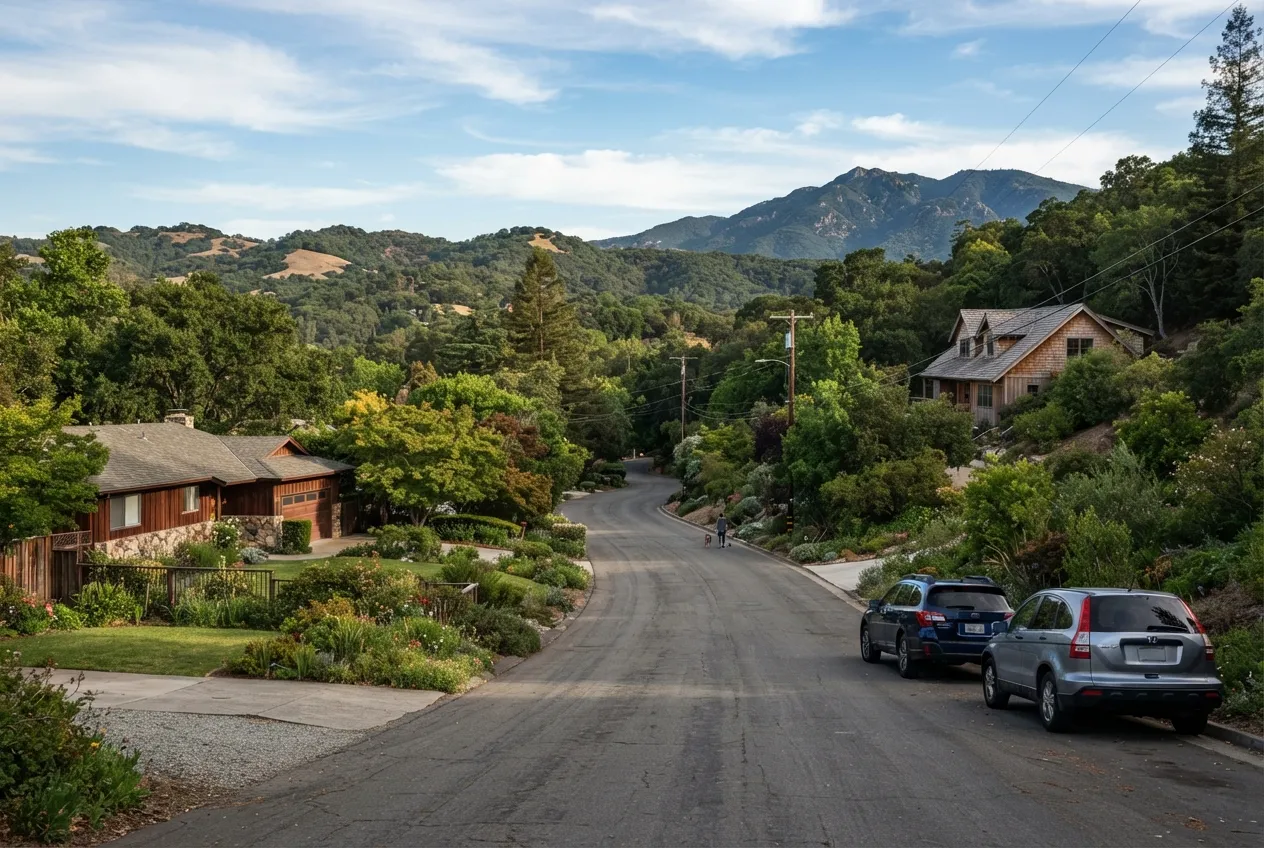
Lafayette's housing stock spans a wide range, from mid-century ranch homes and hillside houses to recent rebuilds, and the furnaces inside them vary just as much. We regularly see older standing-pilot units in crawlspaces and closets, mid-efficiency furnaces in garages, and condensing furnaces in attics of remodeled homes. Winter nights in the 94549 canyons can be chilly and damp, and cold air settles in the low spots. EliteFlow HVAC Repair Service repairs all of these furnace types, traveling roughly 13 miles northwest from our Danville base. Below we break down furnace repair by the generation of equipment you are likely to have, since the common failures and the right fixes differ for each.
Older furnaces with a standing pilot
If you can see a small, constant blue flame through a sight window, you have a standing-pilot furnace. These are simple machines, and many have run for a very long time. Their weak points are well known: a thermocouple that no longer holds the gas valve open, a pilot orifice clogged with dust or spider webs, and a draft hood or flue that has rusted or separated.
We clean the pilot assembly, test and replace the thermocouple as needed, check the gas valve, and inspect the flue all the way to where it exits the house. Because older furnaces often sit in tight closets or crawlspaces, we also check combustion air. A furnace that cannot get enough air burns poorly and can produce carbon monoxide.
Mid-efficiency furnaces with electronic ignition
Most furnaces installed over the past few decades use an inducer fan and hot surface igniter instead of a pilot. They follow a sequence: the inducer starts, a pressure switch confirms draft, the igniter heats, the gas valve opens, and a flame sensor proves the flame. The control board flashes a code when any step fails.
The parts that fail most often in this group are dirty flame sensors, cracked igniters, pressure switches and their hoses, inducer motors, and blower motors or capacitors. Each is a fairly direct repair once identified.
Condensing furnaces in remodeled homes
High-efficiency furnaces vent through plastic pipes and produce condensate, which drains away through a trap and hose. In Lafayette, where these units often sit in attics after a remodel, drain problems are a top cause of no-heat calls. Algae or debris blocks the trap, water backs up, and a pressure switch shuts the furnace down.
We clean and flush the condensate system, test the condensate pump if there is one, and check the vent and intake pipes outside for leaves, nests or other blockages, a common issue under trees.
What we check on every furnace
Regardless of age, every repair visit includes a basic safety and performance review.
- Flame appearance and burner condition.
- Venting from the furnace to the outdoor termination.
- Visible areas of the heat exchanger for cracks or rust-through.
- High-limit, rollout and pressure safety switches.
- Temperature rise across the heat exchanger.
- Filter condition and return air path.
- Gas connections and shutoff valve.
- Duct connections at the furnace, especially in crawlspaces.
When repair stops making sense
We like keeping sound equipment running. But a cracked heat exchanger, repeated failures in different parts, or a furnace well past its expected life change the math. When that happens, we explain the situation honestly and show you the options.
It is worth knowing how the regional rules apply. The Bay Area Air District rules do not require replacing working equipment; they apply only when an existing furnace fails or is replaced. Under Rule 9-4, natural gas furnaces manufactured from 2029 must meet a zero-NOx emission standard, which in practice points homeowners toward heat pumps for replacements after that date. For Lafayette homes with tight crawlspaces or no room for a new furnace, ducted or ductless heat pumps can sometimes be easier to fit than expected.
Getting ready for winter
Run the furnace briefly in early fall, before the first cold night. Replace the filter, clear stored items away from the furnace, and look at outdoor vent pipes for leaves or nests. A yearly service visit lets us clean the burners and flame sensor and test the safety controls before you depend on the system. Homeowners in Moraga, Walnut Creek and Pleasant Hill get the same service.
More services in Lafayette
- AC Repair in LafayetteLocal service & repairs
- Heating Repair in LafayetteLocal service & repairs
- Heat Pump Installation in LafayetteLocal service & repairs
- AC Installation in LafayetteLocal service & repairs