
The short answer
Clayton furnace problems typically involve the ignitor, flame sensor, pressure switch, inducer, blower or control board. We diagnose the fault, repair it, and check venting and combustion safety before the furnace goes back into service.
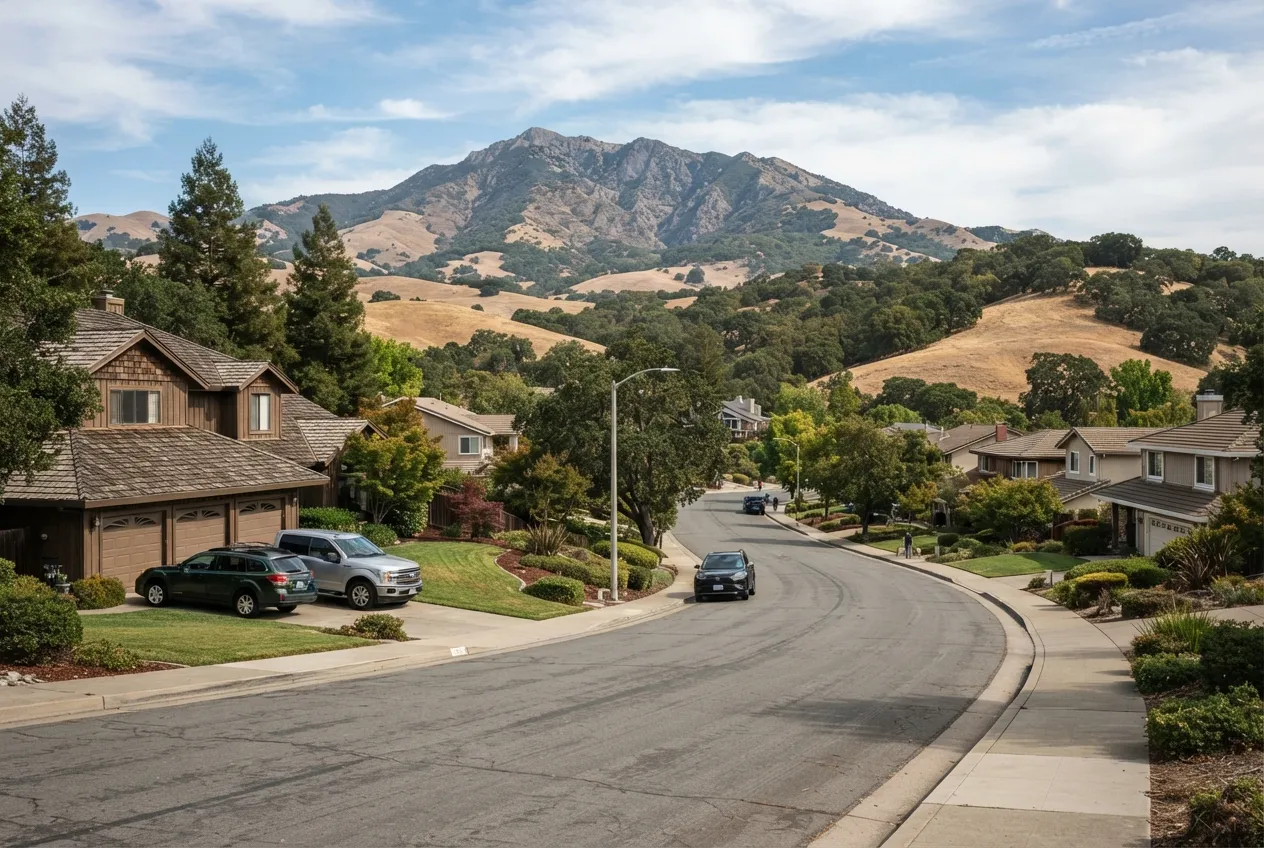
Clayton's location against the slopes of Mount Diablo gives it cooler winter nights than some of the flatter towns nearby, and a furnace here gets more of a workout than people expect from a California home. When the heat goes out on a cold morning, EliteFlow HVAC Repair Service can help. We travel about 10 miles north from Danville to repair gas furnaces in Clayton, including standard units in garages and closets, condensing models with PVC venting, and attic installations. This page explains the warning signs to watch for, the failures we find most often, and the safety steps that are part of every furnace repair we do.
Warning signs worth noticing
A furnace often gives early hints that something is wrong. Catching them early can turn a no-heat emergency into a planned repair.
Listen for new sounds: a high-pitched whine from the inducer motor, a squeal from the blower, or a loud boom when the burners light. Watch for heat that cycles on and off every few minutes, air that feels lukewarm, or a furnace that takes several tries to light. Notice any unusual odors that linger after the first startup of the season. And pay attention to the status light on the furnace control board; a flashing code is the furnace telling you which part of its startup process failed.
What we find most often
Most Clayton furnace repairs come down to a handful of components.
- Flame sensors coated with residue, causing the furnace to light and then shut down
- Hot surface ignitors that crack or burn out
- Inducer motors with failing bearings
- Pressure switches that fail or sense a blocked vent or full drain trap
- Limit switches that trip because of a dirty filter or weak airflow
- Blower motors and capacitors that no longer reach full speed
- Control boards with failed relays or surge damage
Airflow problems that look like furnace problems
Sometimes the furnace itself is fine, but the air path is not. A clogged filter, closed registers, crushed ducts or an undersized return can make the heat exchanger overheat. When that happens, the high-limit switch shuts the burners off to protect the furnace, then lets them relight once things cool down. The result is short heating cycles and rooms that never quite get warm.
We check static pressure, filter condition and duct connections as part of a furnace diagnosis. Fixing an airflow problem not only restores comfort but also reduces stress on the heat exchanger, which helps the furnace last longer.
Safety is part of every repair
Before we finish, we inspect the burners and flame pattern, look at the visible portions of the heat exchanger, confirm the vent is intact and properly connected, and measure for carbon monoxide near the furnace. If we find an unsafe condition, we explain it, show you what we found, and will not leave the furnace running in that state.
Every home with a gas furnace should have working carbon monoxide alarms near sleeping areas. If yours are missing or old, replacing them is a simple step that adds protection.
Garage, closet and attic installs
Where the furnace sits changes what tends to go wrong. Garage furnaces in Clayton collect dust and lint from laundry and woodworking, and their burners and flame sensors foul faster as a result. Closet furnaces sometimes have doors or louvers that restrict combustion air, which can cause poor burning and soot. Attic units bake through summer, so wiring, capacitors and control boards age quickly, and a condensate leak there can stain a ceiling before anyone notices.
We adjust our inspection to the location, checking combustion air supply, clearances, drain pans and the condition of wiring and connections. Small corrections, such as cleaning burners or restoring a blocked air opening, often prevent the next breakdown.
Older furnaces and what comes next
Many Clayton furnaces can be repaired economically, and we recommend repair when it makes sense. When a heat exchanger is cracked or the furnace keeps needing major parts, replacement may be the better investment. Bay Area Air District rules do not require replacing a working furnace, but gas furnaces manufactured from 2029 must meet a zero-NOx standard. That is leading many homeowners to compare heat pumps when the time comes. BayREN and local clean energy providers may offer incentives, and we confirm the current offer before including it. We also repair furnaces in Concord, Walnut Creek, Antioch, Pleasant Hill and Lafayette.
More services in Clayton
- AC Repair in ClaytonLocal service & repairs
- Heating Repair in ClaytonLocal service & repairs
- Heat Pump Installation in ClaytonLocal service & repairs
- AC Installation in ClaytonLocal service & repairs