
The short answer
A good Clayton AC install starts with a load calculation, a look at ducts and electrical, and a choice of equipment that suits hot afternoons and cooler nights. We explain the options, handle permits and commission the system so it performs as designed.
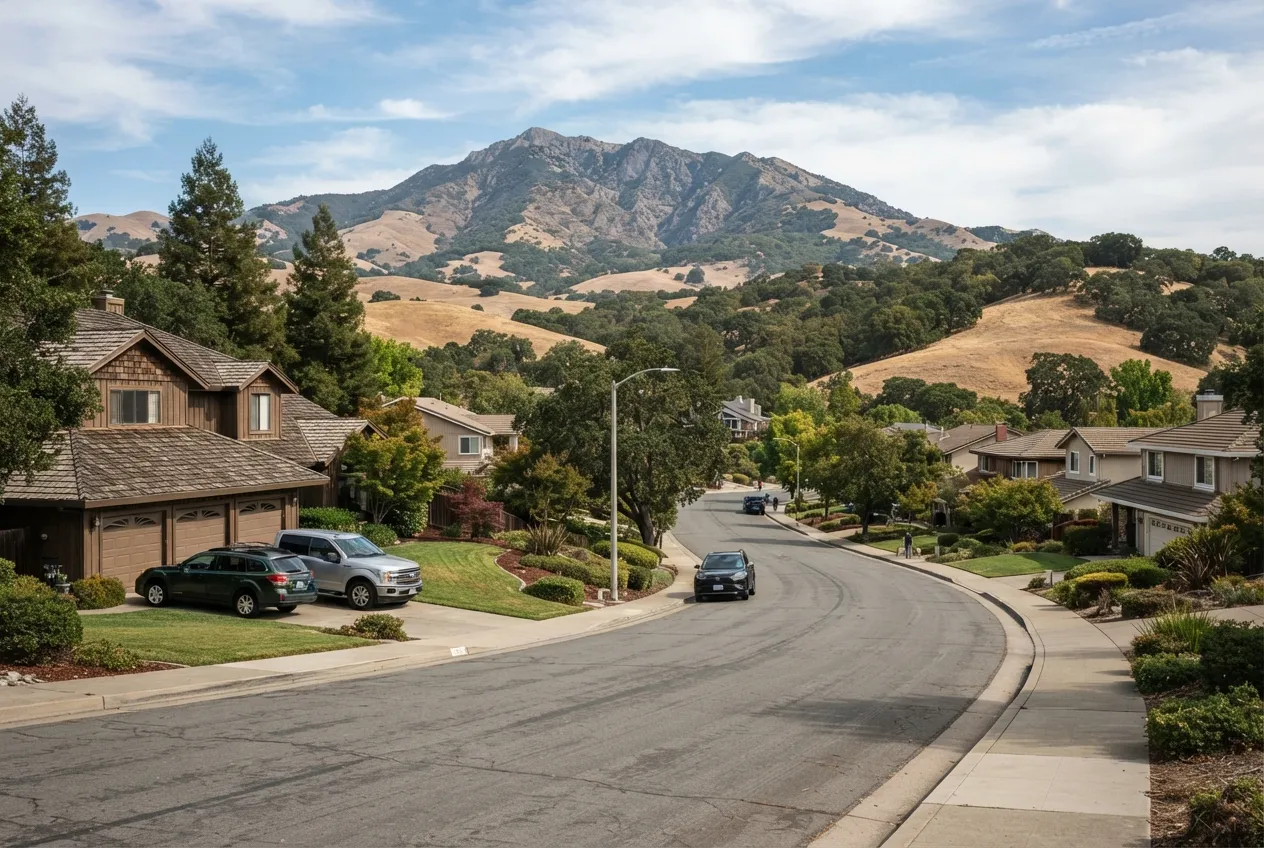
Clayton sits on the north side of Mount Diablo, about 10 miles north of our Danville base, and its homes deal with real inland heat in summer along with cool evenings once the sun drops behind the hills. That swing between hot afternoons and pleasant nights affects how an air conditioner should be chosen. EliteFlow HVAC Repair Service installs central air, heat pumps and ductless systems for Clayton homeowners. Some are replacing a tired condenser that came with the house; others are adding cooling to a home that has relied on open windows and fans for years. Either way, the goal is the same: equipment that fits the house and runs quietly when you need it most.
Hot afternoons, cool evenings
In Clayton, the hottest part of the day can feel intense, but temperatures often fall off noticeably after sunset. That pattern means the house absorbs heat through the afternoon and the AC works hard for a few hours, then gets a break. Equipment that can run at a lower speed for long periods tends to handle that rhythm well, pulling the house down gradually instead of blasting cold air and shutting off.
It also means sizing matters. An oversized unit cools so quickly in the evening that it barely runs, which can leave the home feeling clammy. We calculate the cooling load from the home itself, including insulation, windows, shading from trees or the hillside, and the floor plan.
Adding AC to a home that never had it
Some Clayton homes were built with a furnace and ducts but no cooling. In those cases, adding air conditioning usually means installing an evaporator coil on top of the furnace, running refrigerant lines to a new outdoor unit, and adding a dedicated electrical circuit. We check the furnace blower to make sure it can move enough air for cooling, since some older blowers were sized only for heat.
Homes without any ductwork are a different project. Ductless mini-splits are often the cleanest solution, with a compact outdoor unit and indoor heads in the rooms that need cooling most. They avoid opening walls and ceilings to run new ducts.
Options we compare with you
Every home is different, but these are the choices most Clayton homeowners weigh during an estimate.
- Standard central AC paired with the existing furnace
- A heat pump that cools in summer and replaces gas heat in winter
- Single-stage, two-stage and variable-speed equipment
- Ductless systems for homes without ducts, or for individual rooms
- Smart or programmable thermostats that take advantage of cooler evenings
- Upgraded filtration for homes that see smoke or dust during dry months
Installation details that make a difference
We set outdoor units on a level pad with clearance for airflow and service, and we pay attention to slopes and drainage, which can matter on hillside lots. Refrigerant lines are sized for the equipment, brazed with nitrogen flowing to keep the inside of the pipe clean, pressure tested and evacuated with a vacuum pump before the system is charged.
Indoors, we seal the coil to the furnace cabinet, connect the condensate drain with a trap and, where needed, a secondary pan or safety switch. After start-up, we measure airflow, temperature drop and refrigerant readings to confirm the system matches the manufacturer's specifications.
Thinking ahead about heat pumps and rules
If your furnace is getting older, it may make sense to consider a heat pump now rather than adding a new AC to a furnace that will need replacing soon. Bay Area Air District rules do not require you to remove working equipment, but gas furnaces manufactured from 2029 must meet a zero-NOx standard. The federal 25C credit for heat pumps is no longer available for systems placed in service after 2025. BayREN and local clean energy providers may offer current incentives, and we confirm them before quoting. We also install systems in Concord, Walnut Creek, Antioch, Pleasant Hill and Lafayette.
More services in Clayton
- AC Repair in ClaytonLocal service & repairs
- Heating Repair in ClaytonLocal service & repairs
- Heat Pump Installation in ClaytonLocal service & repairs
- Furnace Repair in ClaytonLocal service & repairs