
The short answer
Walnut Creek furnace repairs commonly involve ignition parts, venting and pressure switch problems, worn blowers, and aging components in older units. We start with safety checks, test each part, and explain the repair before doing it.
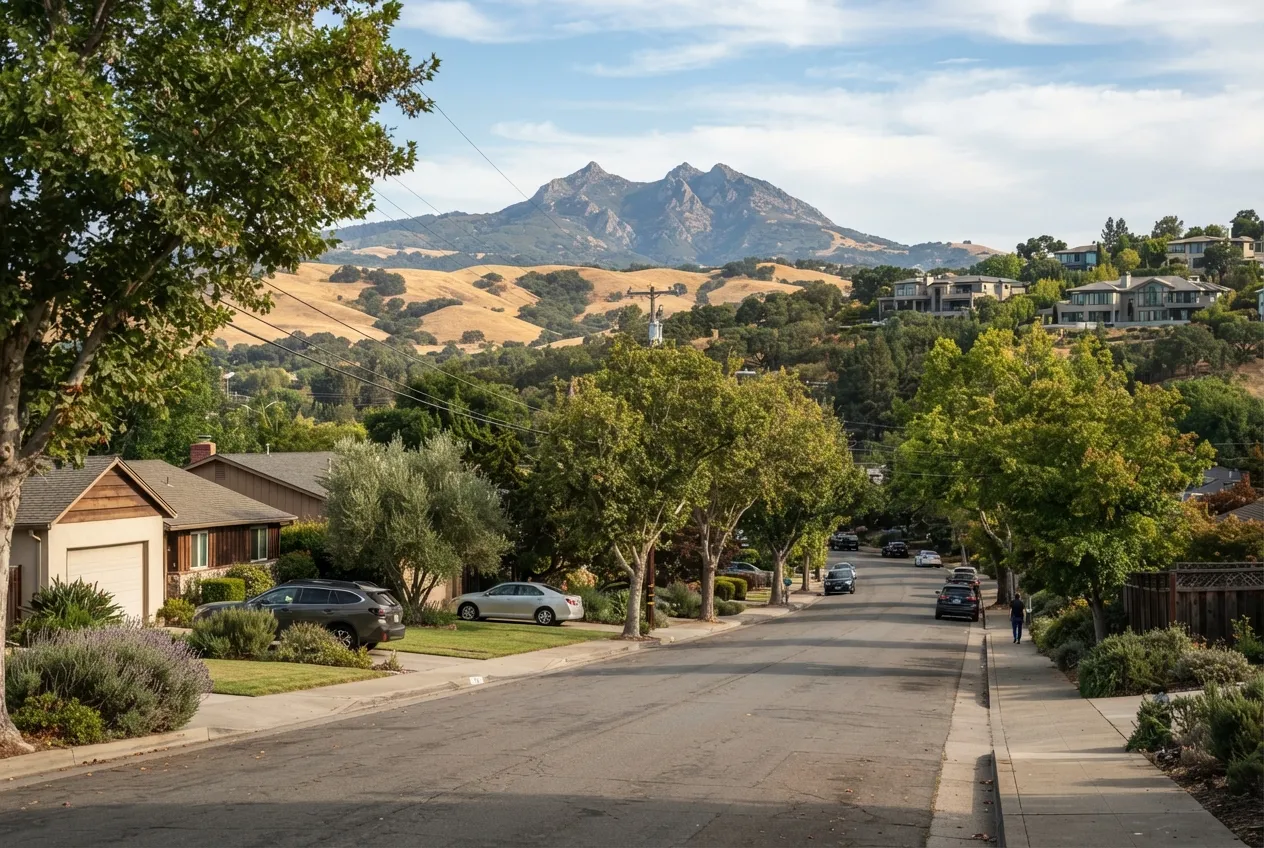
Clear winter nights in Walnut Creek can turn cold, especially in neighborhoods tucked against the hills where cool air settles after sunset. A furnace that hesitates, short cycles or blows lukewarm air becomes hard to ignore once the temperature drops. We repair gas furnaces throughout 94595, 94596, 94597 and 94598, making the roughly ten-mile drive northwest from Danville. The furnaces we see here range from decades-old standard-efficiency models in mid-century homes to high-efficiency condensing furnaces in remodeled and newer houses, and each type fails in its own way.
Older Furnaces in Mid-Century Homes
Some Walnut Creek houses still run furnaces that have been in place a long time, often in a hallway closet, garage or crawlspace. Older models may use a standing pilot rather than electronic ignition, and their thermocouples, gas valves and fan controls wear out over time. They can be repaired, but parts availability and overall condition matter.
Venting deserves attention in these homes. Metal flues can corrode, joints can separate and roof caps can become blocked. We check the vent path along with the furnace itself, because good combustion depends on both.
High-Efficiency Furnace Issues
Newer and remodeled homes often have condensing furnaces with plastic venting and a condensate drain. These furnaces are efficient, but they add components that can fail:
- Condensate traps and drains that clog and shut the furnace down
- Condensate pumps that fail, leaving water in the cabinet or on the floor
- Pressure switches that open because of blocked tubing or vent obstructions
- Inducer motors with worn bearings, which become noisy before failing
- Intake or exhaust terminations blocked by leaves, nests or debris
- Control boards damaged by moisture or power surges
Safety Comes First
Each furnace repair begins with checks for gas leaks, carbon monoxide and proper venting. Where the heat exchanger is visible, we inspect it for cracks or rust-through. Garage furnaces get a check for clearance from stored items and proper elevation.
If you smell gas, leave the house and call your gas utility from outside. If your carbon monoxide alarm sounds, get everyone out and call emergency services. Once the immediate danger is handled, we can help diagnose and repair the equipment.
Diagnosing the Failure
We watch the furnace go through its startup sequence to see where it stops, then test the suspect parts with meters. That might mean checking the igniter's resistance, the flame sensor signal, the pressure switch, gas pressure, or the blower motor and capacitor. Error codes on the control board help, but we confirm them before replacing anything.
After explaining the fault and the options, we make the repair and test the furnace through several heating cycles. We measure temperature rise, check burner flame and confirm the venting draws properly.
Repair or Replace
If your furnace is very old, has a cracked heat exchanger, or keeps needing expensive parts, it may be time to consider replacement. We give you the repair cost and an honest view of the furnace's condition.
Bay Area Air District Rule 9-4 sets a zero-NOx standard for gas furnaces manufactured from 2029. The rules apply only when a furnace is replaced, not to working equipment. Some Walnut Creek homeowners replacing a furnace now compare a new gas unit with a heat pump, and we can explain both. BayREN and local clean energy providers sometimes offer heat pump incentives, which we confirm before quoting.
Before Winter
A fall tune-up helps catch worn parts before the first cold night. During that visit we clean the flame sensor and burners, test the igniter, check the inducer and blower, flush condensate lines on high-efficiency models and confirm the vent is clear from the furnace to the roof or sidewall. Walnut Creek's oaks and other large trees drop plenty of leaves in autumn, and those leaves have a way of finding their way into vent caps and around intake pipes. Between visits, change the filter on schedule, keep the furnace area free of storage, and glance at the outdoor vent terminations after windy days to make sure nothing is blocking them. We also repair furnaces in Pleasant Hill, Lafayette, Concord, Moraga and Clayton.
More services in Walnut Creek
- AC Repair in Walnut CreekLocal service & repairs
- Heating Repair in Walnut CreekLocal service & repairs
- Heat Pump Installation in Walnut CreekLocal service & repairs
- AC Installation in Walnut CreekLocal service & repairs