
The short answer
Furnace repair in San Ramon usually involves ignition parts, inducer and pressure switch problems, blower failures, or condensate issues on high-efficiency units. We confirm safety first, test the components, and fix the actual fault.
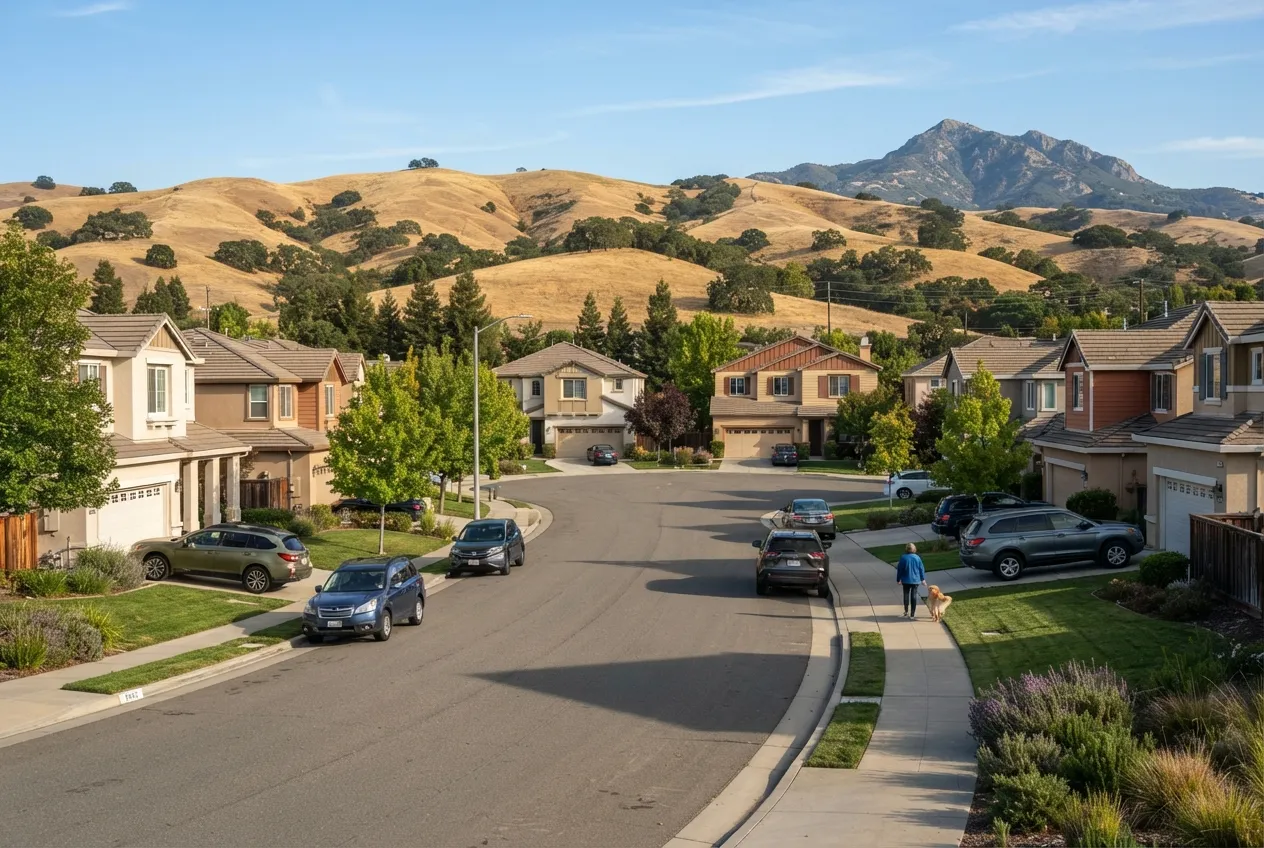
Most San Ramon households lean on a gas furnace from roughly November through March, when mornings in the San Ramon Valley turn cold and damp. Because heating season is fairly short, furnaces here can go months without anyone paying attention to them, and that is often when small issues grow. A cracked igniter, a weak inducer motor or a drain line full of debris may not show up until the first chilly week. We are based in Danville, only about two miles away, and we repair furnaces in garages, attics and interior closets across 94582 and 94583.
Reading the Symptoms
How a furnace misbehaves gives strong hints about which part is failing. Here is how common complaints usually line up with causes:
- Burners light, then go out within seconds: often a dirty or failed flame sensor
- Clicking or humming but no flame: igniter, gas valve or gas supply issue
- Inducer runs but nothing else happens: pressure switch, blocked vent or tubing problem
- Burners stay lit but no air comes out: blower motor, capacitor or control board
- Furnace cycles on and off rapidly: dirty filter, overheating, or a thermostat issue
- Water around the furnace: blocked condensate trap or drain on a high-efficiency model
- Rumbling or delayed ignition: dirty burners or gas pressure needing adjustment
High-Efficiency Furnaces Have Extra Parts
Many San Ramon homes built or remodeled in recent decades have high-efficiency condensing furnaces, which vent through plastic pipe and produce water as a byproduct. They have a condensate trap, drain line and sometimes a small pump. If any of these clog, the furnace shuts down to protect itself.
Attic installations add another layer, since a blocked drain can overflow into the ceiling. We clean the trap, flush the lines, and check the pump and safety switches as part of the repair.
Safety Is the Starting Point
Every furnace call includes a look at the venting, the heat exchanger where accessible, gas connections and a carbon monoxide test. Furnaces that sit in garages also need proper clearance from stored items and correct burner height above the floor.
If we find a condition that is unsafe, we explain it, show you what we see, and shut the appliance off if needed. We do not use scare tactics, but we will not leave a dangerous furnace running.
How We Work Through a No-Heat Call
Our technician begins at the thermostat to confirm it is sending a call for heat, then moves to the furnace and watches the startup sequence from the beginning. A modern furnace follows a fixed order: inducer starts, pressure switch closes, igniter heats, gas valve opens, flame is proven, then the blower comes on. Seeing exactly where that order breaks tells us which part to test.
From there we use a meter on the suspect component, whether that is the igniter's resistance, the flame sensor's microamp signal, the pressure switch's contacts or the blower capacitor's rating. Testing takes a few extra minutes, but it keeps you from paying for parts that were never the problem.
Once the repair is made, we run the furnace through several full cycles, check the temperature rise across the heat exchanger and confirm the flame looks right. We also leave the filter clean and the area around the furnace clear, so the next cold spell starts on a good footing.
Repair Decisions on Older Units
A furnace that is older and needs a costly part, such as a control board, inducer motor or heat exchanger, raises the question of whether to repair or replace. We give you the cost of the repair and our honest view of the furnace's remaining life.
If replacement is on the table, it helps to know the rules. Bay Area Air District Rule 9-4 requires natural gas furnaces manufactured from 2029 to meet a zero-NOx standard. The rules do not require replacing a working furnace and only apply when equipment fails or is replaced. Some owners choose a new gas furnace now; others look at heat pumps. We can explain both, and we verify current BayREN or local clean energy incentives before quoting them.
Keeping the Furnace Reliable
A fall inspection lets us clean the flame sensor, test ignition, check the inducer and blower, clear condensate lines and verify venting before cold weather. At home, change filters regularly and keep the area around the furnace clear.
We also repair furnaces in Dublin, Pleasanton, Livermore, Walnut Creek and Moraga.
More services in San Ramon
- AC Repair in San RamonLocal service & repairs
- Heating Repair in San RamonLocal service & repairs
- Heat Pump Installation in San RamonLocal service & repairs
- AC Installation in San RamonLocal service & repairs