
The short answer
Moraga furnaces work through a long, damp heating season, so ignition parts, flame sensors, blowers and filters wear steadily. We find the specific fault, confirm the furnace vents and burns safely, and quote the repair before starting.
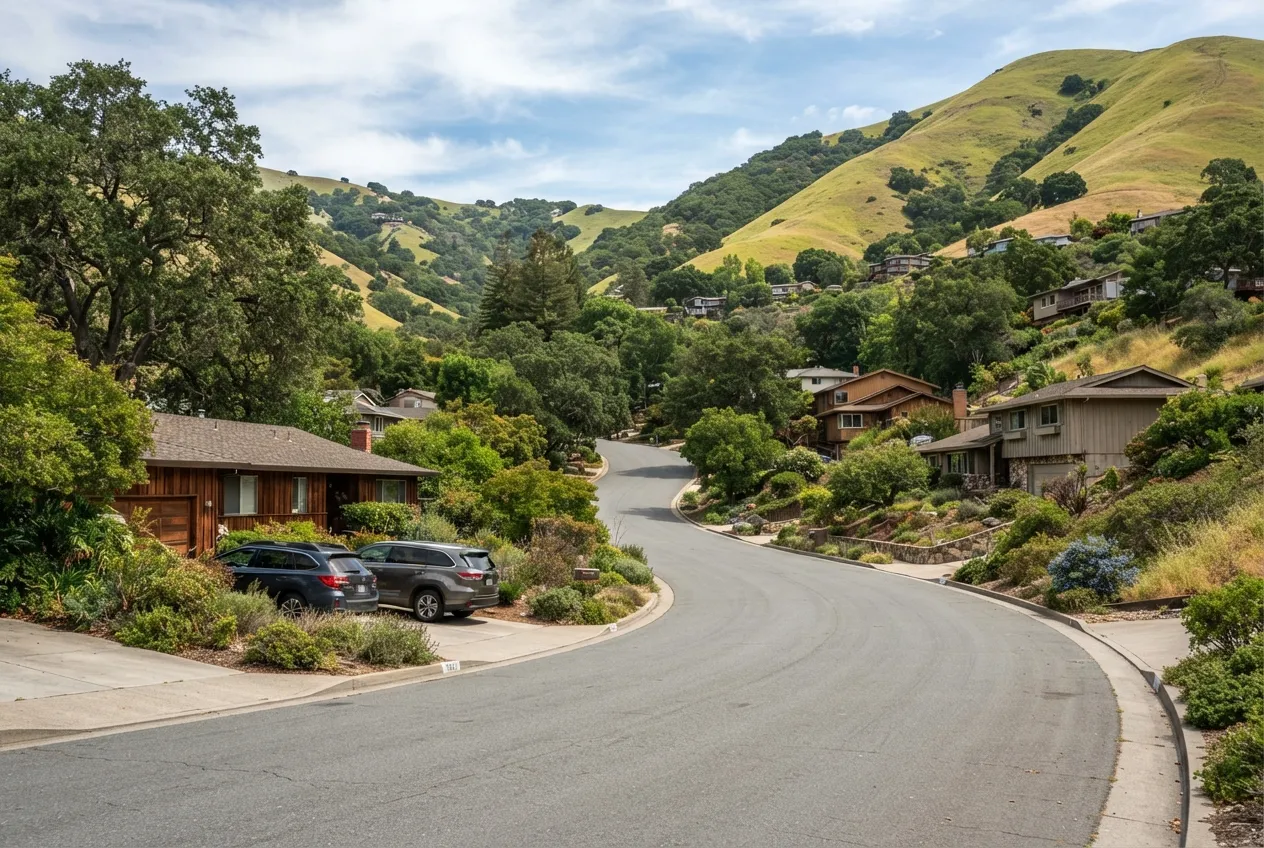
Heating does most of the work in a Moraga home. The town sits in a valley tucked behind the hills, and damp winter mornings and cool evenings stretch the furnace season well beyond the coldest months. A furnace that runs for much of the year wears in predictable ways: igniters weaken, flame sensors foul, blower motors tire, and filters clog faster than owners expect. EliteFlow HVAC Repair Service travels from Danville, about 12 miles to the east, to repair gas furnaces in homes across 94556 and 94575. We work on the systems common here, including closet and garage furnaces, units in crawlspaces under raised floors, and attic furnaces in two-story homes. Every repair includes a combustion and venting safety check before the heat goes back on.
Furnaces in crawlspaces and under raised floors
Many hillside homes in town are built on raised foundations, and the furnace sometimes lives in the crawlspace beneath the house. These installations are out of sight, which means a slow drip of condensate, a disconnected duct, or rodent damage to wiring can go unnoticed for a long time. Moisture is the main enemy down there; it corrodes burners, control boards, and duct connections.
When we service a crawlspace furnace, we check for water intrusion, inspect duct joints and insulation, and look for nesting or chewed wires, in addition to the furnace itself.
Signs your furnace needs repair
Furnaces rarely fail without some warning. Paying attention to these early signals can prevent a no-heat call on a cold night.
- The furnace tries to start several times before it lights, or not at all.
- Burners light and then shut off within seconds.
- The blower runs constantly or not at all.
- Rooms at the far end of the house stay cold while the hallway is warm.
- New rattling, squealing, or booming sounds at startup.
- A blinking light on the control board that was not there before.
How we diagnose and repair
We read the control board's fault code, then follow the furnace's startup sequence step by step, watching the inducer, pressure switch, igniter, gas valve, and flame sensor in turn. Whichever stage fails tells us where to look. We test the suspect part with a meter rather than replacing components on a hunch, because swapping parts without confirmation is the fastest way to spend money without solving anything.
Once the problem is confirmed, you get a clear explanation and a written price. Common repairs, such as igniters, flame sensors, capacitors, and pressure switches, are usually completed on the spot.
Venting, combustion, and carbon monoxide
A gas furnace has to move its exhaust out of the house reliably. We check the vent pipe for proper slope, secure joints, and a clear termination, measure draft, and look at the flame and heat exchanger for signs of trouble such as soot, rust, or flame rollout. If there is any indication of an unsafe condition, we shut the furnace down and explain what we found.
A carbon monoxide alarm on each floor is a simple, inexpensive safeguard for any home with gas appliances.
Filters, trees, and a long season
Wooded lots and a furnace that runs from fall well into spring add up to filters that load quickly. A clogged filter starves the blower of air, the heat exchanger runs hotter than designed, and the high-limit switch starts shutting the burners off mid-cycle. Owners often describe this as a furnace that blows warm air for a few minutes, goes cold, then starts again. Swapping the filter sometimes fixes it on the spot; if the limit has tripped many times, we also check the blower wheel, which can cake with dust and lose much of its capacity.
We suggest checking the filter monthly from October through April and keeping a spare on hand, sized to match the slot on your furnace or return grille. If your return is a single small grille in a hallway, a larger or second return can ease strain on the whole system, and we can tell you whether it is worth doing.
Repair now, plan for later
Most furnace problems are worth repairing. When the heat exchanger is cracked, the furnace is quite old, or repairs have been piling up, replacement deserves a look. Bay Area Air District Rule 9-4 requires gas furnaces manufactured from 2029 to meet a zero-NOx standard, which in practice points homeowners toward heat pumps for replacements after that date. The rule does not apply to a furnace that is still working, so repairing your current unit remains a reasonable choice.
More services in Moraga
- AC Repair in MoragaLocal service & repairs
- Heating Repair in MoragaLocal service & repairs
- Heat Pump Installation in MoragaLocal service & repairs
- AC Installation in MoragaLocal service & repairs