
The short answer
Adding or replacing AC in Moraga usually means working with an existing furnace and ducts, a hillside lot, and sometimes no ducts at all. We assess the house, recommend ducted, ductless, or heat pump cooling, handle permits, and test the system at startup.
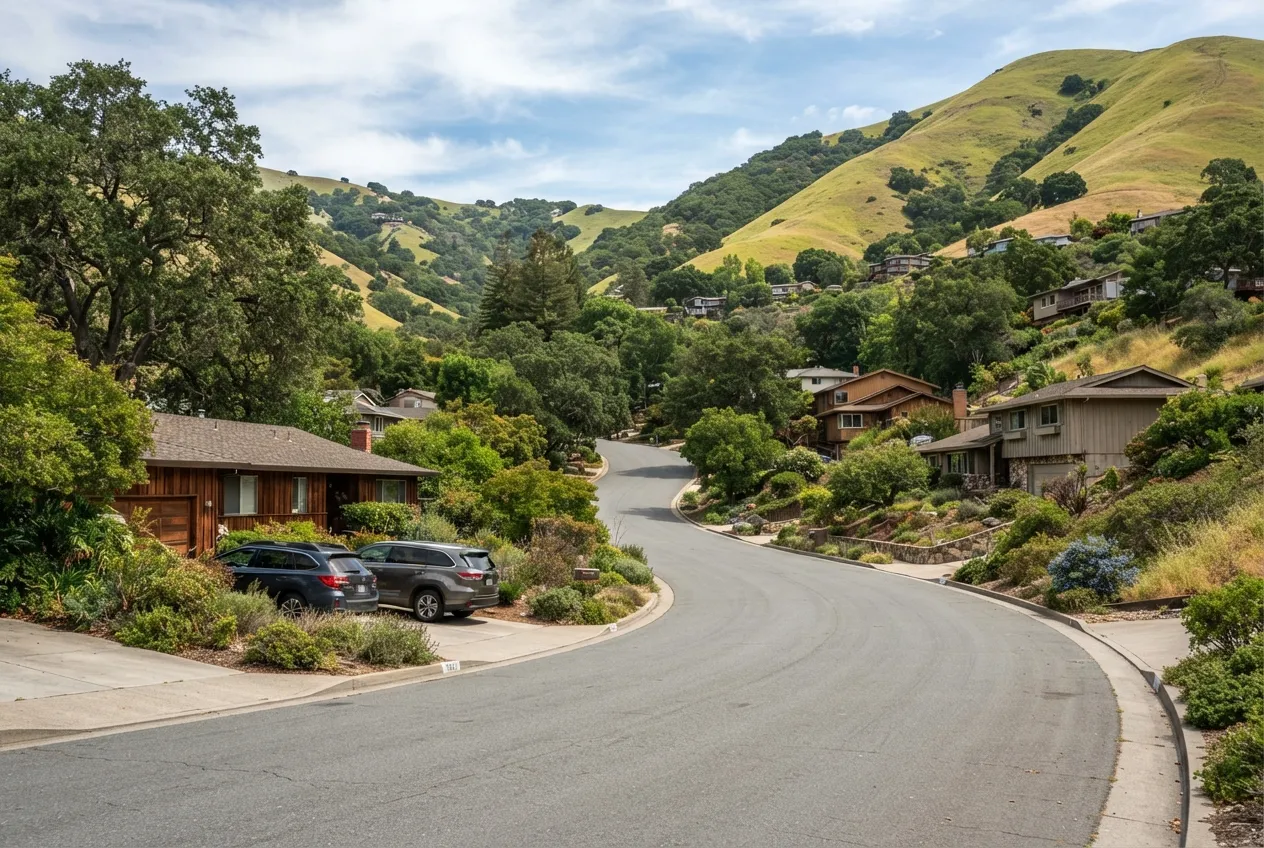
Plenty of houses in Moraga were built without air conditioning. For years, the town's position in the hills west of Danville meant many owners got by with open windows and a fan, and the cool evenings did the rest. Hotter summer stretches have changed that, and a lot of the installation calls we take in 94556 are first-time AC projects rather than replacements. That raises different questions than swapping an old condenser: is there ductwork, does the furnace blower have enough capacity, where can an outdoor unit go on a sloped lot, and will the electrical panel support it? EliteFlow HVAC Repair Service, about 12 miles east in Danville, plans these projects with a site visit and a load calculation, then installs ducted or ductless cooling sized to the house rather than to a guess.
First-time AC versus a replacement
If your home already has a forced-air furnace, adding central air is usually a matter of installing an evaporator coil on top of or beside the furnace, running a refrigerant line set and condensate drain, and setting a condenser outside. The furnace blower then moves cooled air through the same ducts. We first confirm the blower and ducts can carry the extra airflow cooling needs; ducts sized only for heating are sometimes too small for comfortable cooling in upstairs rooms.
Replacement jobs are simpler in layout but still benefit from a fresh sizing calculation. Many Moraga homes have had windows, insulation, or rooms changed since the original unit went in, so the right size today may differ from what was installed before.
Homes without ducts
Some older Moraga houses heat with wall furnaces, baseboard units, or a floor furnace, with no duct system at all. Building ducts into finished walls and ceilings is disruptive, so ductless mini-split heat pumps are often the cleaner answer. A single outdoor unit can serve several indoor heads, each with its own control, and the same system provides heat in winter.
We plan head locations with you for airflow and appearance, route line sets as neatly as the house allows, and choose a spot for the outdoor unit that keeps noise away from bedrooms and neighbors.
Placing equipment on a hillside lot
Sloped yards, decks, and narrow side setbacks are common in town, and they shape where a condenser can sit. The unit needs a stable, level pad, a few feet of open air around it, and a service path a technician can reach safely. On steep lots we sometimes use a wall bracket or a built-up pad rather than a slab on grade.
Leaves and needles from mature trees also matter. A condenser under a heavy canopy collects debris on its coil and top grille, so we look for a location that limits that and is easy to keep clear.
- Level, stable base, with drainage away from the foundation.
- Clearance on all sides and above for airflow.
- Distance from bedroom windows and property lines for quieter operation.
- Reasonable access for future service and coil cleaning.
Choosing equipment with heating in mind
Because cooling and heating share ducts and often share equipment, it is worth considering both at once. A heat pump installed in place of a straight air conditioner cools the same way and can take over most or all of your heating. That matters because Bay Area Air District Rule 9-4 requires gas furnaces manufactured from 2029 to meet a zero-NOx standard, which effectively points replacements after that date toward heat pumps. The rule does not require removing a furnace that still works, so you can keep it as backup or retire it later.
Variable-speed equipment is another choice to weigh. It runs at low speed most of the time, which suits a town where many summer days are warm rather than extreme, and it keeps noise down on quiet residential streets.
Permits, incentives, and startup
We pull the mechanical permit, and electrical work if needed, and schedule the inspection. For incentives, the federal 25C heat pump credit is no longer available for installations after December 31, 2025. BayREN and your local clean energy provider may offer current heat pump incentives, and we confirm availability before quoting anything. At startup we verify charge, airflow, and temperature drop, set up the thermostat, and walk you through filter changes.
More services in Moraga
- AC Repair in MoragaLocal service & repairs
- Heating Repair in MoragaLocal service & repairs
- Heat Pump Installation in MoragaLocal service & repairs
- Furnace Repair in MoragaLocal service & repairs