
The short answer
Livermore furnace problems usually come down to ignition parts, flame sensors, pressure switches, blower motors, or a dirty filter tripping a safety limit. We diagnose the cause, check for safe combustion and venting, and repair the furnace once you approve the cost.
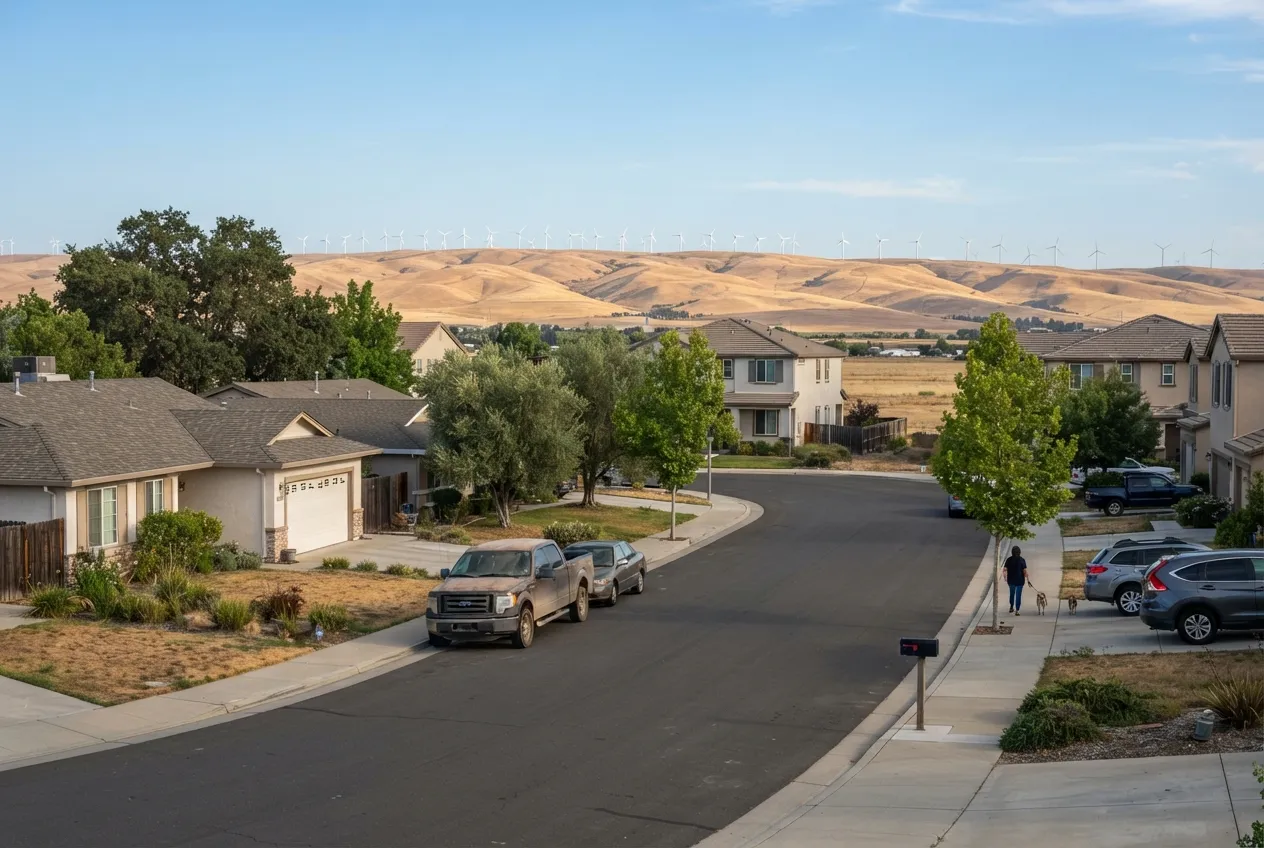
Winter nights in the Livermore Valley can drop much colder than the daytime high suggests, and clear skies over an inland basin let heat escape quickly after sunset. That is when a furnace that limped through fall finally refuses to light. EliteFlow HVAC Repair Service repairs gas furnaces throughout Livermore and the surrounding parts of Alameda County, coming in from our Danville base about 11 miles away. We work on the equipment most local homes actually have: upflow units in hall closets, horizontal furnaces tucked into attics, and garage installations in tract homes, plus the occasional older wall or floor furnace in a smaller house. Every visit starts with safety checks, because a gas appliance that is misbehaving can affect more than comfort. From there we track down the failed part, explain it, and fix it once you approve the price.
What usually goes wrong
Modern furnaces run through a fixed startup sequence: the inducer fan clears the heat exchanger, a pressure switch confirms the draft, the igniter heats, the gas valve opens, and a flame sensor proves the flame. When one step fails, the control board locks the furnace out and often flashes a code. Reading that code and testing the matching part is how we narrow things down quickly.
The repairs we make most often in Livermore homes are listed below. Many are straightforward once the faulty component is confirmed.
- Cracked or weak hot surface igniters that glow but never light the burners.
- Dirty flame sensors that let the burners light for a few seconds before shutting off.
- Pressure switches or blocked inducer tubes that stop the startup sequence.
- Blower motors or capacitors that fail, leaving the furnace overheating on its limit switch.
- Clogged filters, especially after a dusty summer and fall, cutting airflow enough to trip safeties.
Safety comes first on every call
Before we hand the furnace back, we check gas pressure, watch the flame, test the venting for proper draft, and look for signs of heat exchanger damage such as rust trails, soot, or flame rollout. If anything suggests combustion gases could enter the living space, we will tell you directly and shut the appliance off rather than leave it running.
We also recommend a working carbon monoxide alarm on each sleeping level of the house. It is inexpensive protection and a good habit with any gas appliance.
Attic and garage furnaces
Attic furnaces deal with big temperature swings, from summer heat to cold winter nights, and condensate or rodent activity can cause problems there that nobody notices until heat stops. We inspect wiring, drain lines, and duct connections while we are up there. Garage units collect dust and household storage around them; a few feet of clearance helps them breathe and makes service easier.
If your home has an older floor or wall furnace, we can assess it as well, though parts for some of those units are limited and replacement may be the practical answer.
When repair stops making sense
A failed igniter on a mid-life furnace is an easy call. A cracked heat exchanger, a failing control board on an older unit, or a furnace that has needed several repairs in a few seasons is a different situation. We give you the facts and both options.
If replacement is on the table, keep in mind that Bay Area Air District Rule 9-4 requires gas furnaces manufactured from 2029 to meet a zero-NOx standard, which points many homeowners toward heat pumps after that date. The rule does not require you to remove a furnace that still works, so there is no need to replace a sound unit early because of it.
Small habits that prevent no-heat calls
Change the filter at the start of the heating season and again midwinter. Keep supply registers and the return grille clear of furniture and rugs. Run the furnace for a short while on the first cool evening in fall so any problem appears before a cold snap rather than during one, and schedule a fall tune-up if the unit has not been serviced in a while.
More services in Livermore
- AC Repair in LivermoreLocal service & repairs
- Heating Repair in LivermoreLocal service & repairs
- Heat Pump Installation in LivermoreLocal service & repairs
- AC Installation in LivermoreLocal service & repairs