
The short answer
A new AC for a Livermore home should be sized with a room-by-room load calculation, matched to ductwork that can carry the airflow, and placed where the outdoor unit can breathe in valley heat. We handle the assessment, equipment choice, removal of the old system, installation, and startup testing.
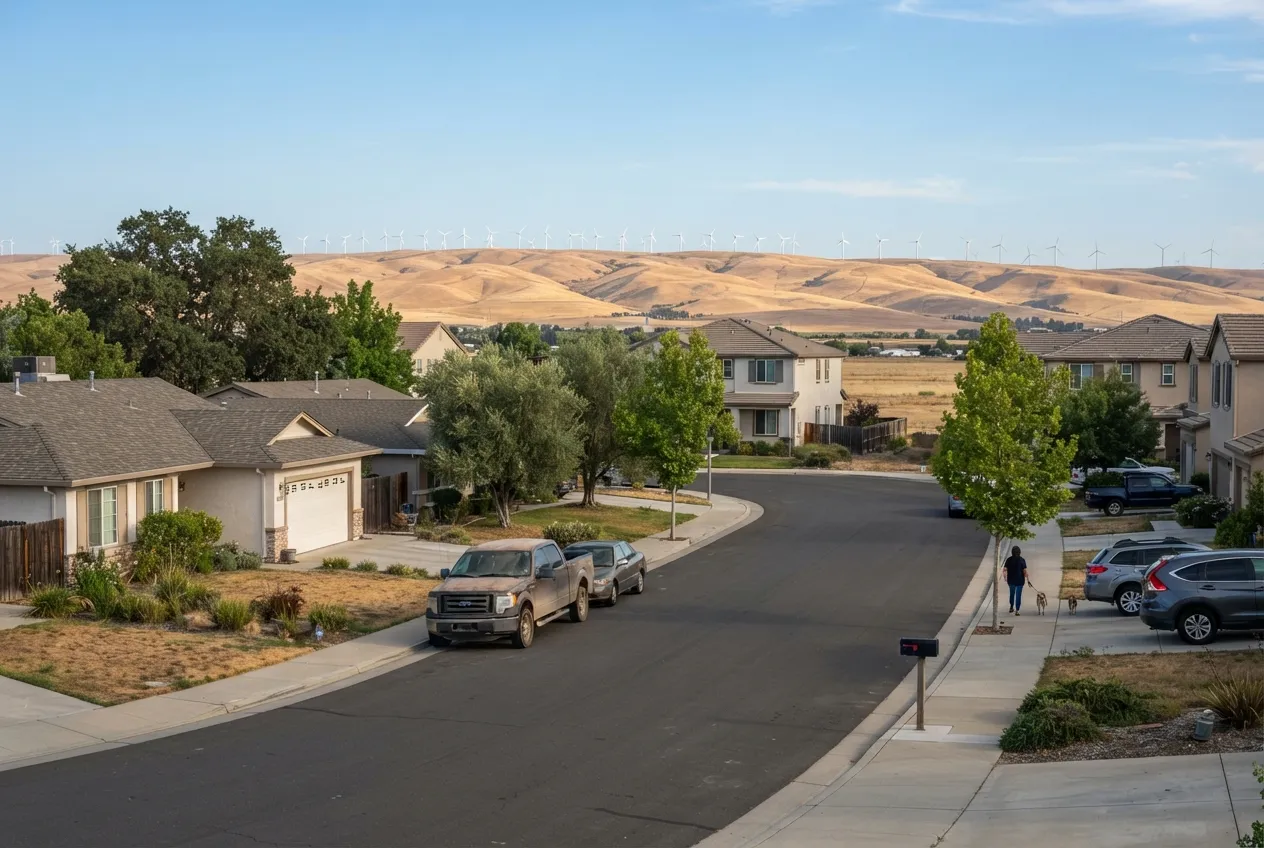
Livermore sits in an inland valley in eastern Alameda County, about 11 miles southeast of our Danville shop, and summer afternoons there tend to stay hot long after the Bay shoreline has cooled off. That heat changes how a new air conditioner should be chosen and set up. A unit that would be plenty for a house near the water can run nonstop on a Livermore July evening, and a system that is oversized for the house will cycle on and off without ever pulling humidity out or evening out the upstairs. EliteFlow HVAC Repair Service plans each Livermore installation around the actual house: its square footage, window exposure, attic conditions, and the ductwork already in place. We size the equipment with a load calculation instead of matching the tonnage of whatever was there before, and we walk you through the trade-offs between a standard central AC, a higher-efficiency variable-speed model, and a heat pump that cools and heats from one outdoor unit.
Why valley heat matters for sizing
Inland Tri-Valley neighborhoods see longer stretches of hot, dry afternoons than cities closer to the Bay, and the house soaks up that heat through west-facing walls, attic insulation that has settled over the years, and single-pane windows in some older tracts. A proper load calculation accounts for each of these. It often shows that the original unit was sized by rule of thumb, sometimes too large for a home that has since gained new windows or attic insulation, sometimes too small for an addition that was tied into the existing ducts.
Getting the size right is what lets the system run long, steady cycles. Steady cycles keep bedrooms closer to the thermostat setting, reduce wear on the compressor, and keep the indoor coil cold long enough to dry the air on the occasional muggy day.
Choosing between AC types for a Livermore house
Most homes we see in Livermore have a gas furnace in a garage, hall closet, or attic, paired with a split air conditioner outside. Replacing just the outdoor unit and coil is one route. Another is replacing the cooling side with a heat pump, which handles summer cooling the same way and also provides heat in winter. That second option is worth a conversation because of Bay Area Air District Rule 9-4: gas furnaces manufactured from 2029 must meet a zero-NOx standard, which in practice steers homeowners toward heat pumps when a furnace is replaced after that date. The rule does not force anyone to remove working equipment, so it is a planning question rather than a deadline.
We lay the options out side by side so you can weigh up-front scope, comfort, and how long you expect to stay in the house.
- Single-stage central AC: simple and familiar, good for smaller homes with sound ducts.
- Two-stage or variable-speed AC: runs at lower output most of the day, quieter and more even in two-story homes.
- Heat pump: one outdoor unit for cooling and heating, a common choice when the furnace is also near the end of its life.
- Ductless mini-split: useful for a converted garage, a bonus room over the garage, or a home without ducts.
What happens on installation day
We protect floors and the path to the equipment, recover refrigerant from the old system, and remove the old condenser and coil. The new pad is leveled, the line set is flushed or replaced depending on its condition and compatibility with the new refrigerant, and the electrical disconnect and wiring are checked against what the new unit requires. Indoors, the coil is fitted to the furnace or air handler and sealed so air does not leak around it.
Before we leave, the system is evacuated, charged to the manufacturer's specification, and run through a full startup. We measure temperature split, static pressure in the ducts, and airflow, then set up the thermostat and show you the filter location and how often to change it during dusty summer months.
Ductwork and outdoor unit placement
A new air conditioner is only as good as the ducts that deliver its air. In many Livermore attics the flex duct has sagged, joints have pulled apart, or returns are too small for the airflow a modern unit needs. We inspect what we can reach and point out the problems that would cut the new system's output, so you can decide whether to address them now or later.
Outside, the condenser needs open space on all sides and a spot that is not boxed in by fences or dense shrubs. Dry summer afternoons and dust from the valley wind load up the coil fins, so we place the unit where it is easy to rinse and service.
Incentives and paperwork
The federal 25C tax credit for heat pumps ended for installations after December 31, 2025, so it does not apply to new projects. BayREN and your local clean energy provider may still offer heat pump or electrification incentives, but amounts change by funding cycle, so we confirm the current offer before including it in any quote. We also handle the permit process with the city so the work is inspected and on record.
More services in Livermore
- AC Repair in LivermoreLocal service & repairs
- Heating Repair in LivermoreLocal service & repairs
- Heat Pump Installation in LivermoreLocal service & repairs
- Furnace Repair in LivermoreLocal service & repairs