
The short answer
Heat pumps are a strong match for Brentwood, where cooling dominates and winters are mild. The project usually replaces both the AC and the furnace, and success depends on correct sizing, ducts in good shape and enough electrical capacity.
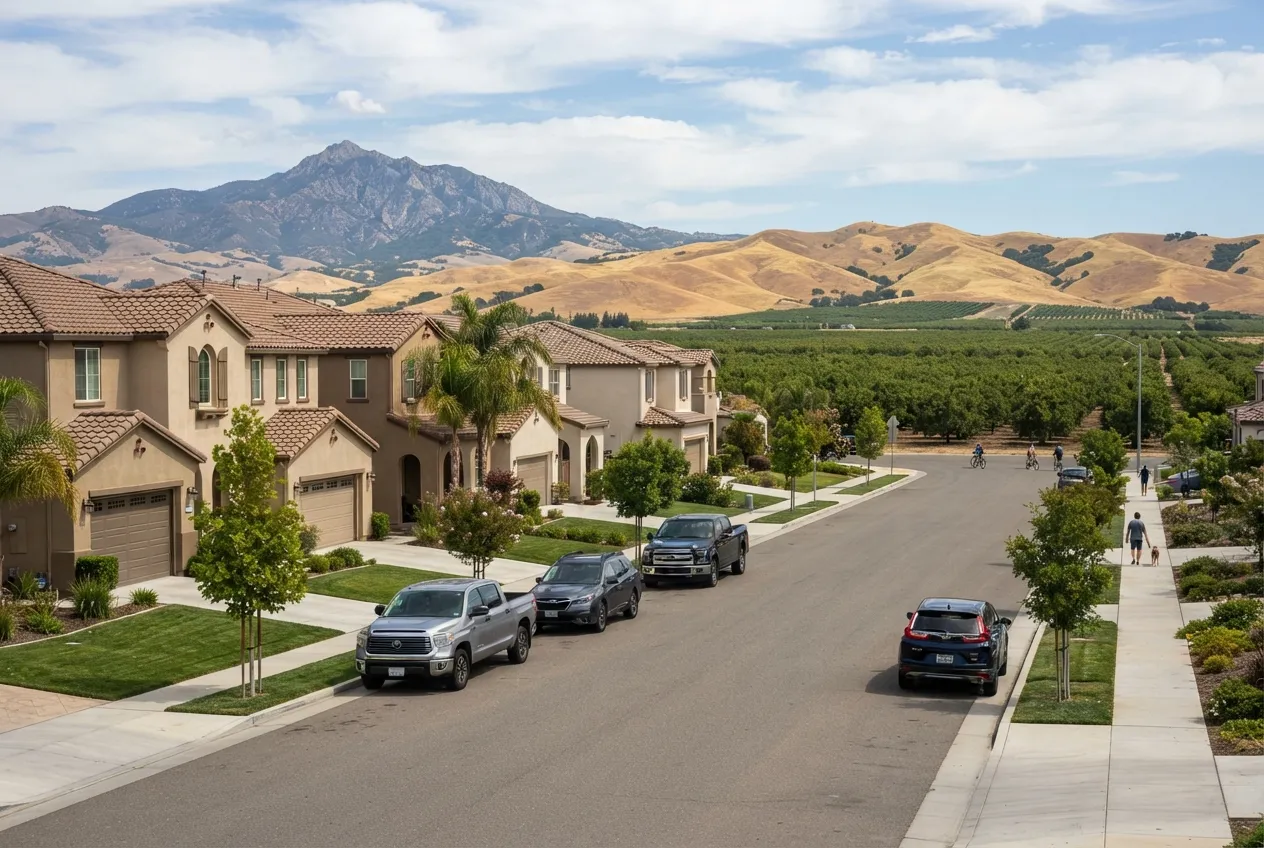
A Brentwood home spends far more hours cooling than heating, which is exactly why a heat pump deserves a serious look. The same outdoor unit that handles a scorching August afternoon can reverse direction and warm the house through a damp winter, with no gas burner involved. We design and install heat pump systems for Brentwood homeowners, traveling about 14 miles northeast from Danville. Instead of repeating the generic pitch, this page answers the practical questions we hear most often from people in Brentwood who are weighing the switch, and it explains what we need to know about your house before recommending anything.
Will a heat pump handle Brentwood's hottest days?
Yes, if it is sized and selected for them. In cooling mode, a heat pump works the same way a central air conditioner does. The difference is in the details: inverter-driven models can run at partial speed most of the day and ramp up as the afternoon heat peaks, keeping indoor temperatures steady rather than swinging between too warm and too cold.
We size the system from a load calculation that reflects your home's insulation, windows, orientation and floor plan. In a two-story Brentwood house, we pay special attention to the upper floor, where most comfort complaints begin.
And will it keep the house warm in winter?
Brentwood winters are mild by national standards, and modern heat pumps keep producing heat at temperatures well below what the area normally sees. The air from the vents feels warm rather than hot, and cycles run longer and quieter than a gas furnace. Most homeowners find the even heat more comfortable once they get used to it.
If you prefer to keep your existing furnace as a backup, a dual-fuel setup is possible when the furnace is still in good shape. We explain whether it is worth the added complexity for your home.
What the project includes
A typical whole-home heat pump installation in Brentwood covers several pieces of work, and we spell each one out in the estimate.
- Removal of the existing AC condenser and, in most cases, the gas furnace
- A new outdoor heat pump unit on a level pad with proper clearance
- A matched indoor air handler in the attic, garage or closet
- New or flushed refrigerant lines, pressure tested and evacuated
- Thermostat setup with heat pump settings for defrost and staging
- Capping the gas line at the old furnace location when the furnace is removed
- Condensate drain connections for both heating and cooling modes
Ducts, panels and placement
Newer Brentwood homes usually have ductwork that can work with a heat pump, but long attic runs and limited returns are common. We check static pressure and inspect accessible ducts so the new system gets the airflow it needs. Electrical capacity is the other key factor. A heat pump and air handler draw more power than an AC paired with a gas furnace, and we verify panel capacity during the estimate.
Outdoor unit placement matters for performance and neighbors alike. Side yards between homes can be narrow, and we look for a location that gives the unit room to breathe and keeps operating sound away from windows where possible.
Living with a heat pump day to day
Owning a heat pump is not much different from owning central air, but a few habits help. Set the thermostat and leave it; large overnight setbacks can make a heat pump work harder to recover in the morning. Keep the outdoor unit clear of leaves, weeds and anything stored against it, and rinse the coil when dust from dry summer months builds up. Change filters on schedule, since steady airflow matters even more with a heat pump.
We recommend one maintenance visit a year, ideally before summer, to check refrigerant readings, electrical connections, the defrost system and the condensate drain.
Rules and incentives
Bay Area Air District rules do not require you to replace working gas equipment. They apply when equipment fails or is replaced, and gas furnaces manufactured from 2029 must meet a zero-NOx standard. The federal 25C credit covered heat pumps placed in service before the end of 2025 and is not available for new installs. BayREN and local clean energy providers may offer incentives; amounts change by funding cycle, and we confirm the current offer before including it. We install heat pumps in Antioch, Clayton, Concord, San Ramon and Livermore too.
More services in Brentwood
- AC Repair in BrentwoodLocal service & repairs
- Heating Repair in BrentwoodLocal service & repairs
- AC Installation in BrentwoodLocal service & repairs
- Furnace Repair in BrentwoodLocal service & repairs